
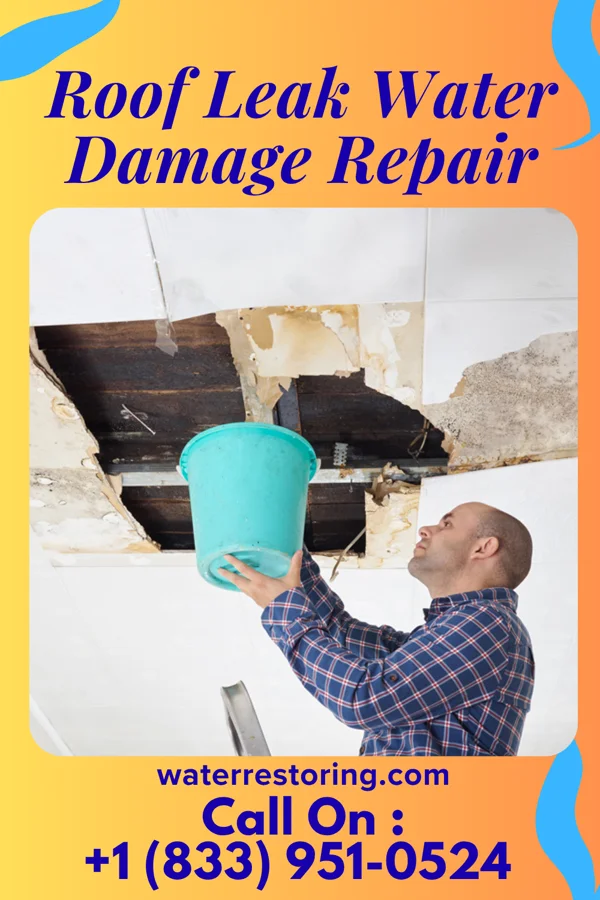
Active Roof Leak Containment in Dunstan
Most water damage emergencies in Dunstan start with Dunstan, Maine experiences frequent spring and fall rainstorms, which can quickly lead to roof leaks due to the area's steeply sloped roofs and older asphalt shingle installations. The region's unpredictable weather patterns, including sudden summer thunderstorms, often result in water infiltration through damaged or improperly sealed roofing systems.. A close second is Winter snowmelt in Dunstan can create prolonged periods of damp conditions, increasing the risk of roof leaks and subsequent water damage. The combination of heavy rainfall and high humidity in the late spring and early summer months also contributes to the deterioration of roofing materials.. From the second water touches the property, every minute changes what gets saved and what gets ripped out.
Dunstan's climate, characterized by frequent rain and fluctuating temperatures, accelerates roof wear and increases the likelihood of water damage. The area's proximity to the coast also exposes buildings to salt air, which can degrade roofing materials more quickly.
Dunstan's climate, characterized by frequent rain and fluctuating temperatures, accelerates roof wear and increases the likelihood of water damage. The area's proximity to the coast also exposes buildings to salt air, which can degrade roofing materials more quickly. The dominant local driver is Dunstan, Maine experiences frequent spring and fall rainstorms, which can quickly lead to roof leaks due to the area's steeply sloped roofs and older asphalt shingle installations. The region's unpredictable weather patterns, including sudden summer thunderstorms, often result in water infiltration through damaged or improperly sealed roofing systems., with Winter snowmelt in Dunstan can create prolonged periods of damp conditions, increasing the risk of roof leaks and subsequent water damage. The combination of heavy rainfall and high humidity in the late spring and early summer months also contributes to the deterioration of roofing materials. showing up as the next most common cause. Damage builds in stages. Spread. Absorption. Microbial growth. Structural compromise. Every stage you pass through adds to the final bill.